The First Step Is Not "Going Out" —
It Is "Going In"
——What I Saw at CIFTIS 2025
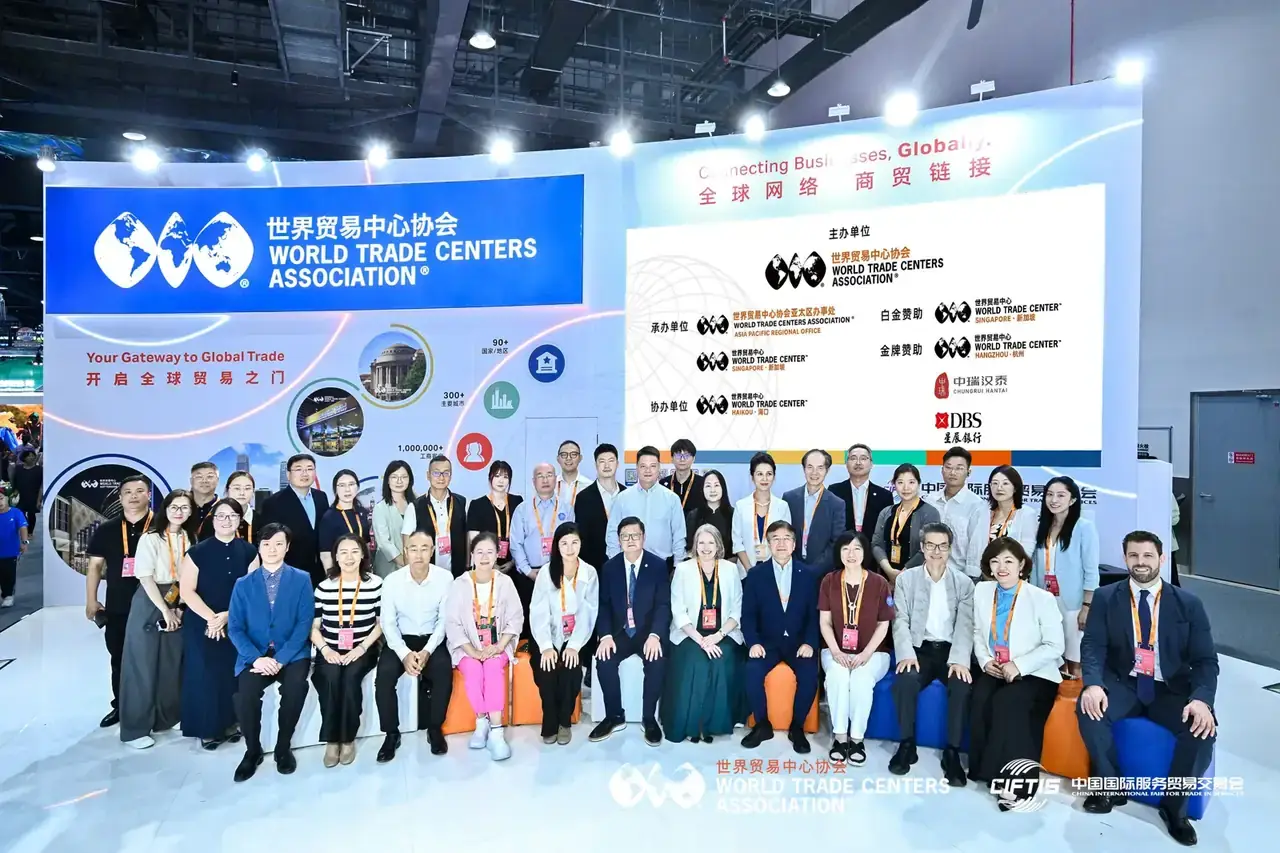
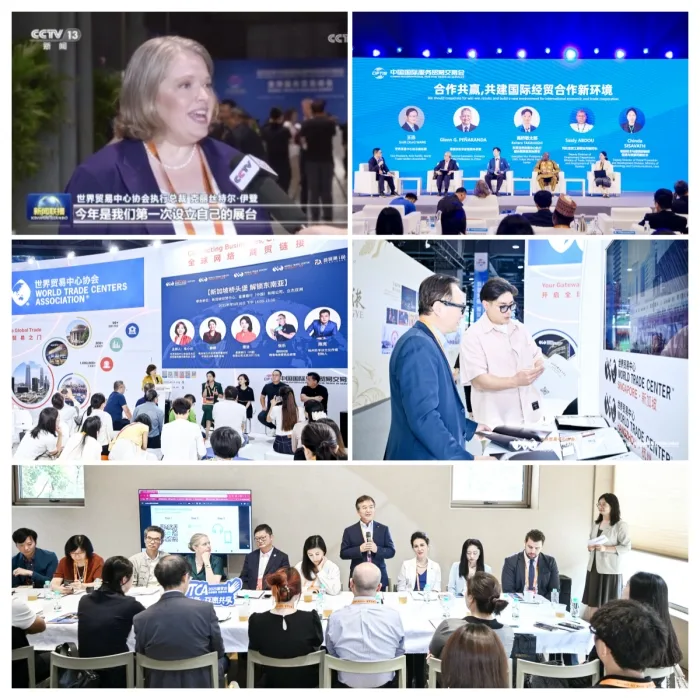
In September 2025, I attended the China International Fair for Trade in Services (CIFTIS) in Beijing. At the time, I was more of a participant and observer, standing inside the WTCA pavilion and watching how Chinese companies talked about going global.
It was the first time the World Trade Centers Association (WTCA) had established its own pavilion at CIFTIS. Over several days, World Trade Center representatives, business partners, and Chinese companies from different countries and regions came together. People talked about international trade, about taking companies overseas, and increasingly, about a more concrete question: when a Chinese company truly enters an unfamiliar market, where exactly should it begin?
Now, as Secretary General & COO of WTC Singapore, Bruce Dong, looking back at those days, I have become clearer about another question: Singapore's role in the globalization path of Chinese companies — what exactly should it be?
The First Real Hurdle for Companies Going Global Is Often Not the Market
On September 10, CIFTIS officially opened. Crystal Edn, WTCA Executive Director-Member Services, attended the Global Trade in Services Summit at the opening of CIFTIS. At a gathering like this, the discussion naturally revolves around broad themes: trade in services, global cooperation, and higher-level opening-up.
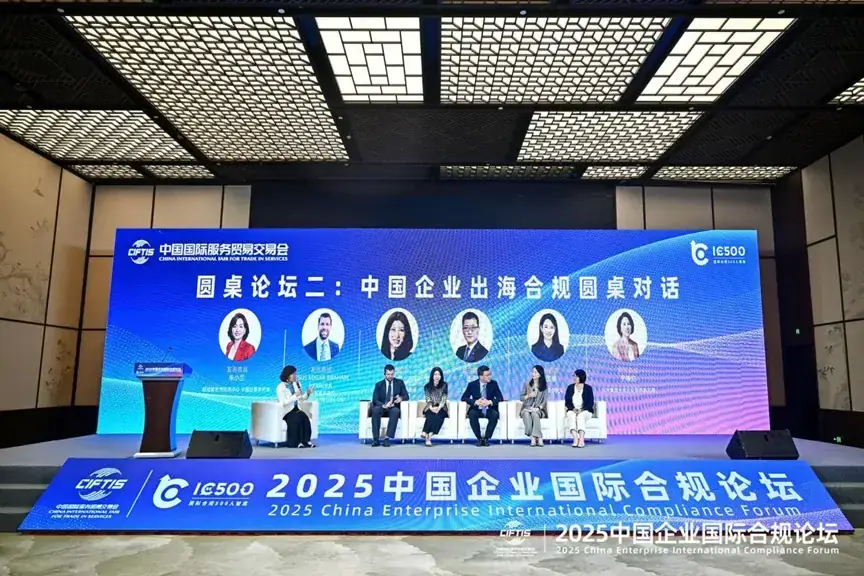
But at the concurrent 2025 China Enterprise International Compliance Forum, the conversation quickly became much more practical. Law, taxation, finance, data, intellectual property...
These issues rarely appear on the most visible pages of a company's brochure. But once a business enters an unfamiliar market, they quickly move from being "back-office issues" to very real questions that can determine whether the business can move forward.
I came away with a very clear feeling: companies going global cannot only ask "where should we go?" They must also ask "once we get there, how do we operate?"
What a Global Network Is Actually Worth
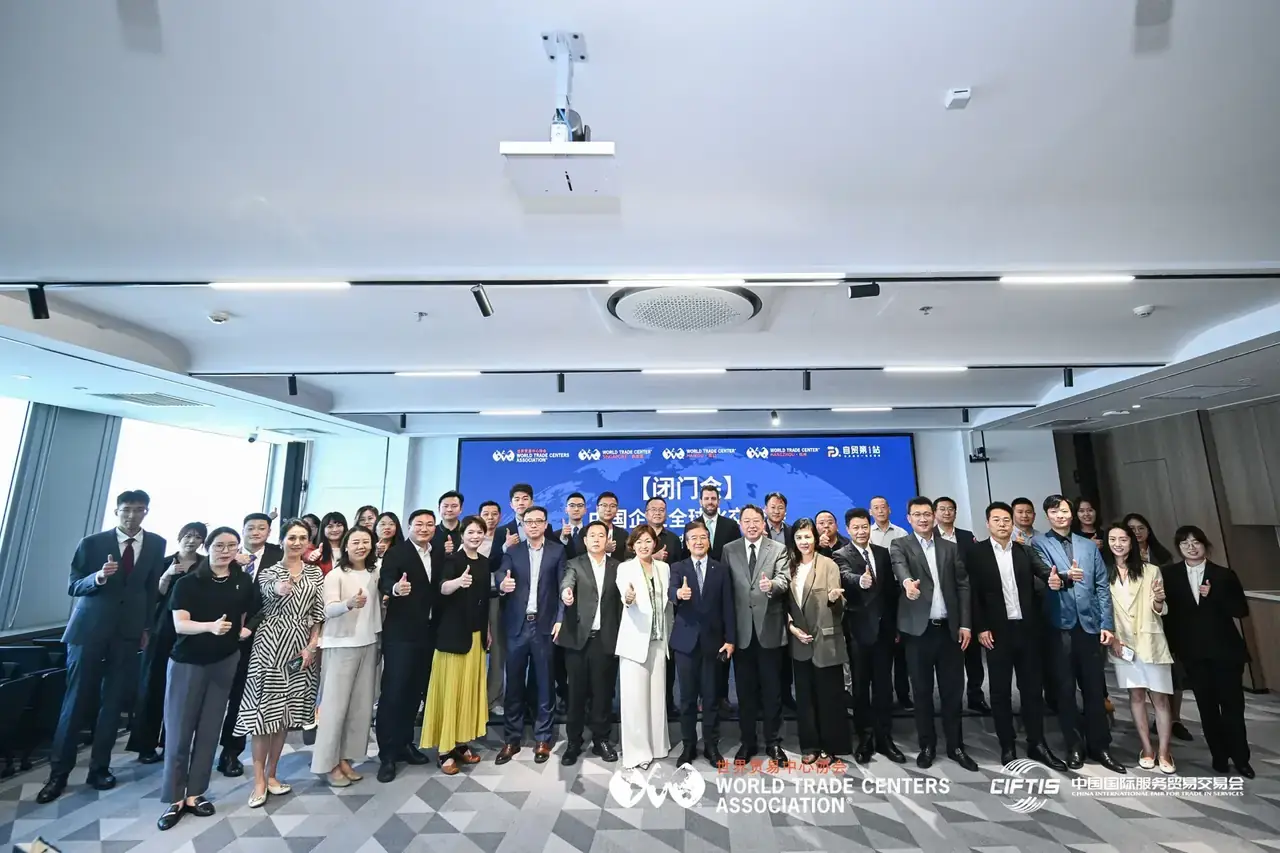
During CIFTIS, WTCA organized a closed-door exchange on Chinese enterprises going global. WTC Singapore sat at the table with representatives from the Saltillo, Tokyo and Osaka World Trade Centers. On the other side were Chinese companies exploring their international footprints, including Beyondsoft, MingYang Smart Energy, and Beijing United Information Technology.
The conversation was not about grand claims of "huge overseas opportunities." It was about very specific questions: who really understands the local industry? Who can become a reliable partner? How does capital move into the market?
These questions may sound small, but once a company actually starts operating overseas, they are often what decide whether things can move forward. At that moment, I reconsidered what the World Trade Center network is really for — what it offers is more than a location. Whether a company is entering Japan, Mexico or Southeast Asia, what it needs is not another market report but someone genuinely reliable on the ground; and Singapore should not be the end of that journey.
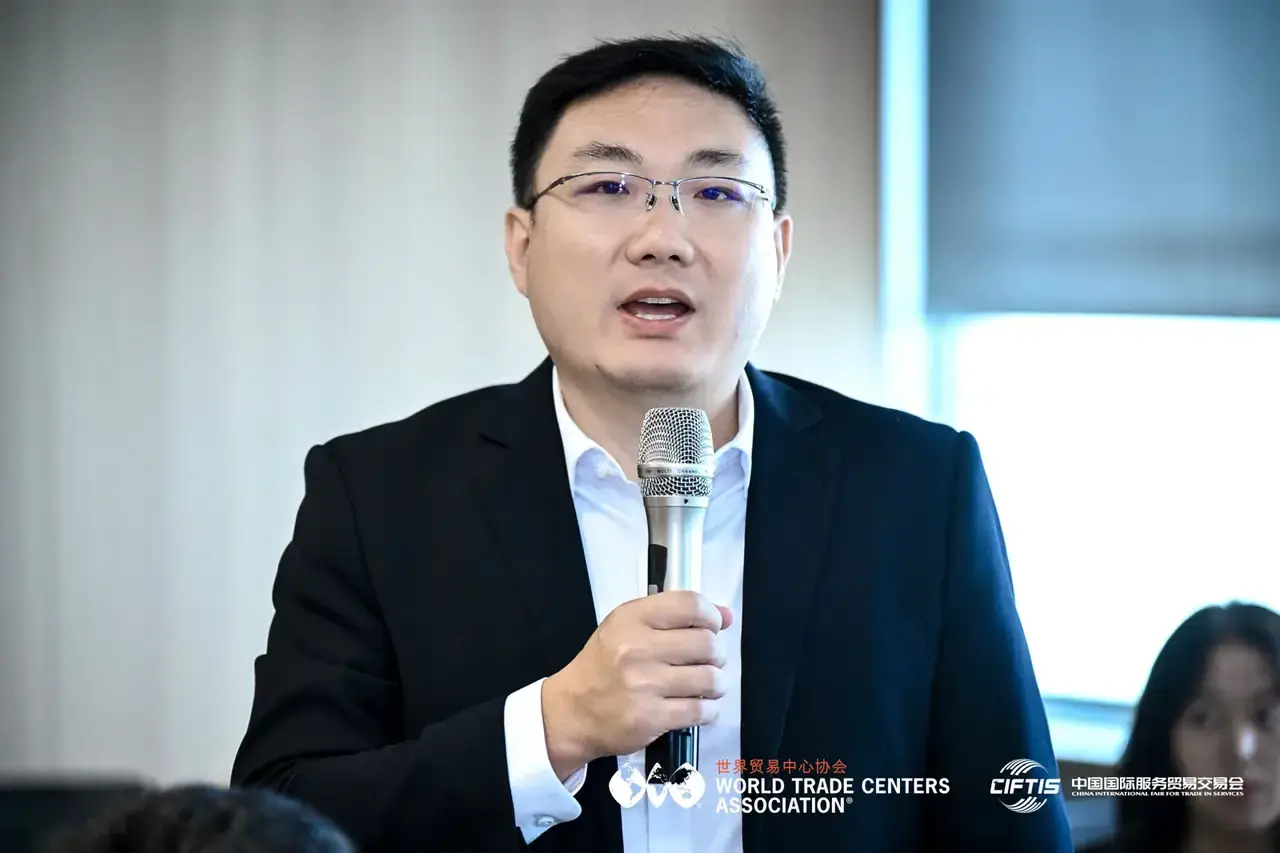
"Going Out" and "Going In" Are Two Different Things
The Southeast Asia session at CIFTIS gave me a more concrete view of this question. The theme of the roundtable was "Southeast Asia Session: Singapore, Your Gateway to Southeast Asia."

Zhu Xiaolan, Chair of the WTCA Asia Pacific Trade Services Member Advisory Council, noted that Southeast Asia has become an increasingly important region for Chinese companies expanding globally. The discussion that followed broke the question down further: compliance, finance, localization, branding — each of these can become a real hurdle when a company enters a local market.
One line from Le Zhang, General Manager of Cross-Border E-commerce Marketing at Homestyler, is something I have remembered ever since:
"It is not about going out. It is about going in."
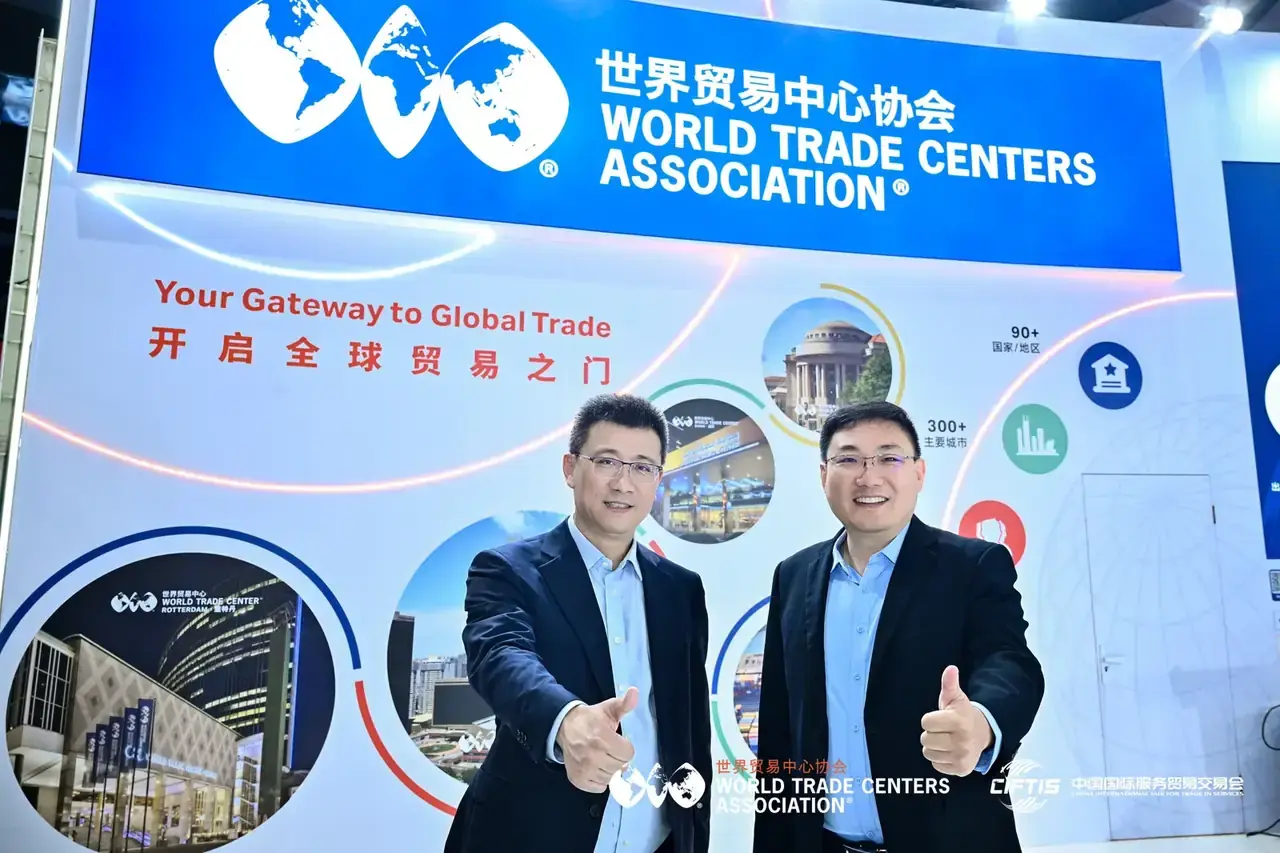
Real localization is not simply translating a product into another language. It means rethinking the local consumer, culture, and business environment; for a technology company, it may even mean building local teams and rethinking the product experience from the ground up. A brand that has already achieved some recognition in China may also become a blank sheet of paper when it arrives in Southeast Asia.
So I increasingly feel that: going global is a lot like starting a business all over again in another country.
"Going Global" and "Going Local" Are Different Things
I increasingly believe that what Chinese companies need to accomplish today is the transition from "going out" to "going in."
Selling a product overseas is not the same as internationalization.
Registering an overseas company is not the same as internationalization.
Opening an overseas office is not the same as truly entering a local market.
To really "go in" means understanding local customers.
Understanding local laws.
Understanding the local financial system.
Understanding the local culture.
Understanding local business relationships.
And sometimes even rethinking how your own product and brand should exist in that market.
Singapore Can Be a Gateway, but It Should Not Be the Destination
Singapore can be a gateway — but a gateway only has meaning if there is a road beyond it. So the role of WTC Singapore is not simply to bring companies to Singapore, but to help them start from Singapore and connect with the broader Southeast Asian market and the global business network. In the end, it is about connecting a company with the people it genuinely needs to know in an unfamiliar market.
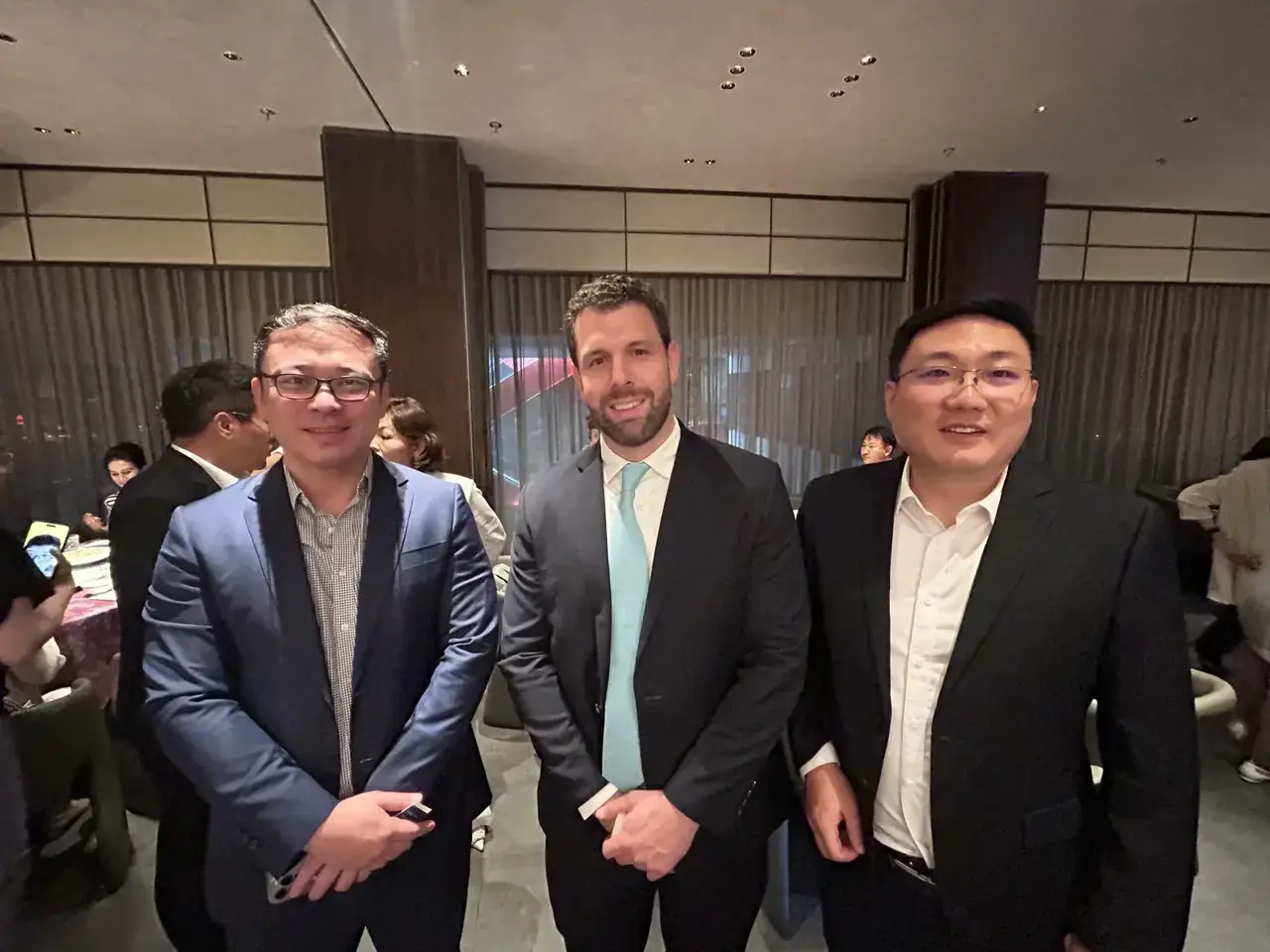
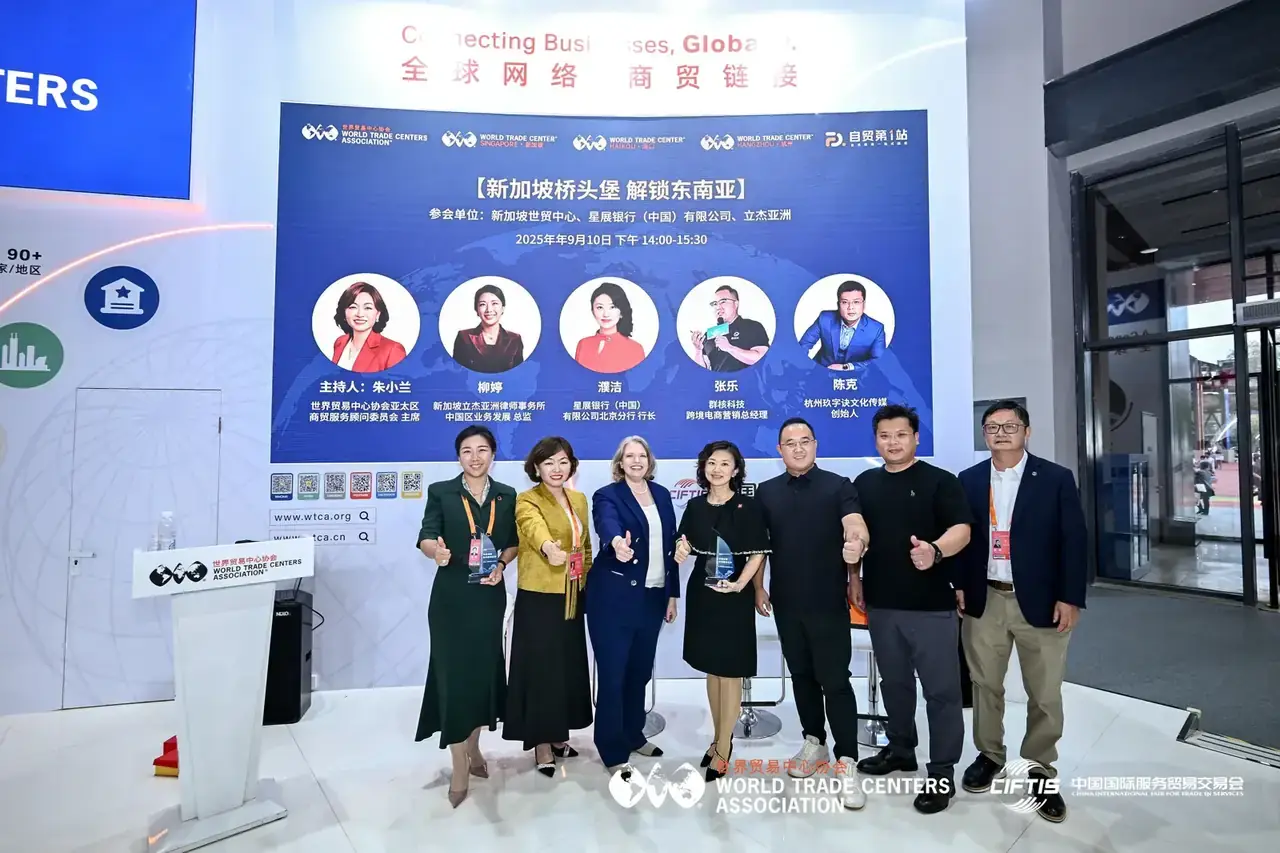
That was one of my deepest takeaways from the closed-door meeting. When the Saltillo, Tokyo, Osaka and Singapore World Trade Centers sit around the same table, they do not simply represent four locations — they represent who a company can still turn to after it moves into a different market.
Looking back, many things at CIFTIS 2025 seemed small at the time: a forum, a roundtable, an exchange of contact information. No one knew which one would eventually become a project. But that is how international business relationships are built — it might be a phone call, or it might be a company hitting a problem and suddenly remembering someone it met in Beijing months earlier.
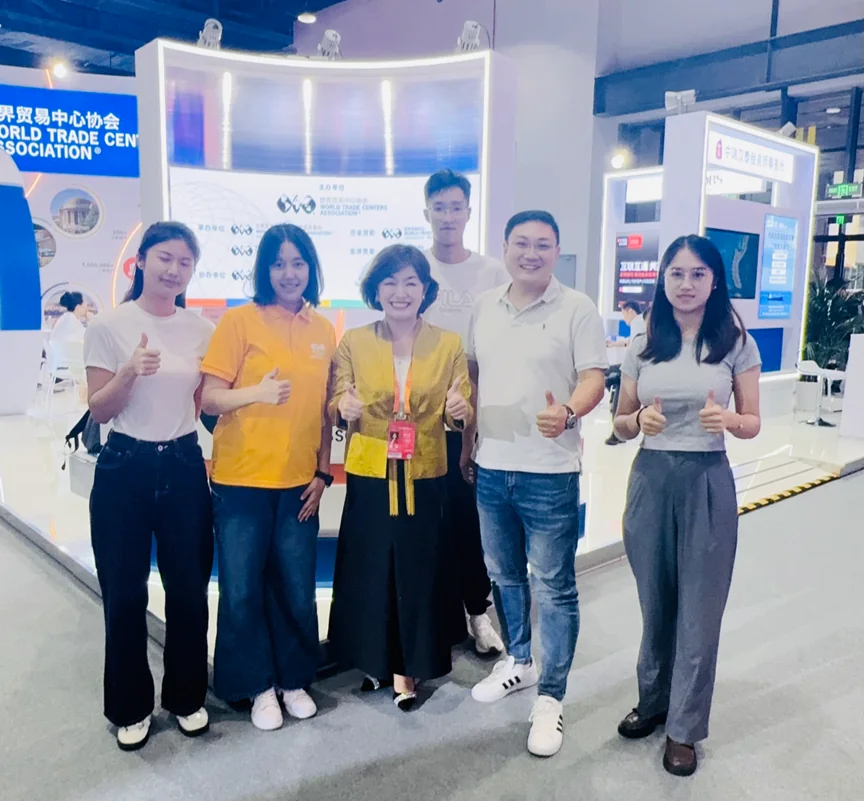
A good international network is not made up of points on a map. It is made up of people who are willing to answer the phone, introduce a friend, and share what they know about their market.
I have always remembered the phrase "Singapore as a gateway." Singapore can be a gateway, but what really matters is what happens after you set out from there — whether you can find people you trust and continue the journey together. So what such a network should tell a company is not "there is a market here," but, when it is ready to set out:
"I know someone there."
And many of the things that matter most may begin with exactly those words.
Related Coverage
- WTCA Pavilion Makes Its Debut at the 2025 China International Fair for Trade in Services (CIFTIS)
WTCA Official Coverage - WTC Singapore Advances China-ASEAN Connections
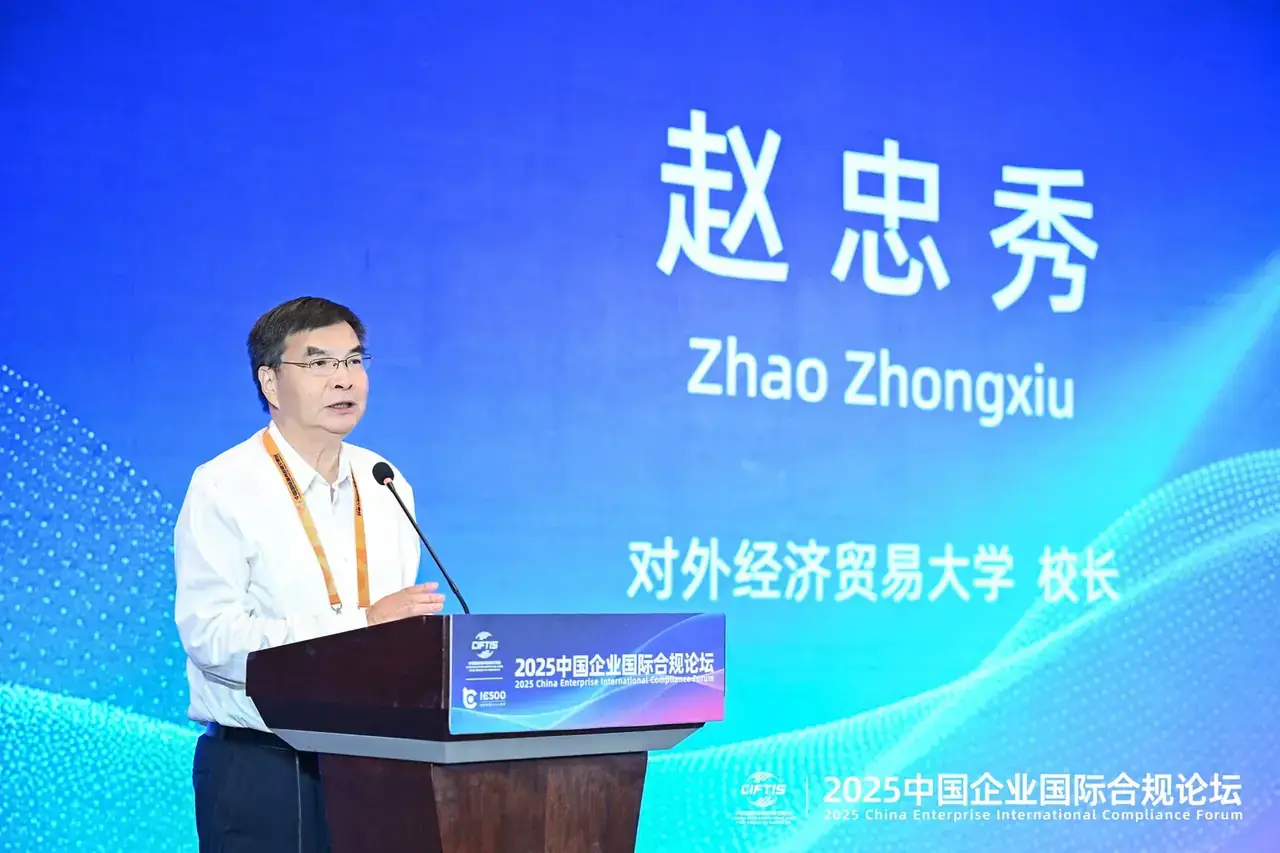
WTCA WTC Singapore Official Coverage - UIBE Alumni Lead CIFTIS Dialogue on China's Overseas Business Strategy
Yangpu District Government Coverage - WTCA亮相2025服贸会 "东南亚专场" 聚焦企业出海的机遇和挑战
WTC Haikou Official